




For many years, the education system largely focused on rote learning, where students memorised textbook content, reproduced answers in examinations, and aimed primarily for high marks. However, the demands of the modern world have evolved. Today, success is no longer measured by how much one can remember, but by how effectively one can apply knowledge in real-life situations.
This shift has led to the emergence of competency-based learning, particularly within CBSE schools.
What is Competency-Based Education?
Competency-based education emphasizes skills, conceptual understanding, and practical application rather than mere memorisation. It focuses on enabling students to use their knowledge effectively.
A simple analogy can explain this approach: learning to ride a bicycle. One may read extensively about balancing techniques, but actual learning occurs only through practice. Similarly, education today prioritizes doing, applying, and understanding.
This approach ensures that students:
· Develop a deep understanding of concepts
· Apply knowledge in real-life contexts
· Build essential life skills
Competency-Based Learning in CBSE
CBSE has restructured its curriculum to align with modern educational needs. The emphasis is now on:
· Application-based questions
· Case studies
· Analytical and critical thinking
For example, instead of asking students to define “profit and loss,” they may be required to solve a real-life problem involving cost price, selling price, and profit, along with explaining its practical relevance.
Such changes prepare students not only for examinations but also for real-world challenges.
Reasons for the Shift
The transition to competency-based learning is driven by several important factors:
· Reduction of rote learning
· Promotion of critical and independent thinking
· Preparation for future careers
In today’s world, success depends on creativity, problem-solving, and decision-making. Therefore, the focus has shifted towards developing thinkers rather than mere memorisers.
Key Features of the Competency-Based Curriculum
This approach introduces several significant changes:
1. Skill-Focused Learning
Students develop communication, reasoning, and analytical skills.
2. Continuous Assessment
Evaluation takes place throughout the academic year, rather than relying solely on final examinations.
3. Conceptual Understanding
Greater importance is given to clarity of concepts over memorisation.
4. Interdisciplinary Learning
In our interdisciplinary learning subjects are interconnected. For instance, a science topic may involve mathematical calculations and environmental awareness.
Examples of Competency-Based Learning
· Mathematics: Solving real-life problems such as budgeting, discounts, and financial planning
· Science: Conducting experiments and making observations instead of only reading theory
· Social Science: Analysing case studies, such as the impact of government decisions on citizens
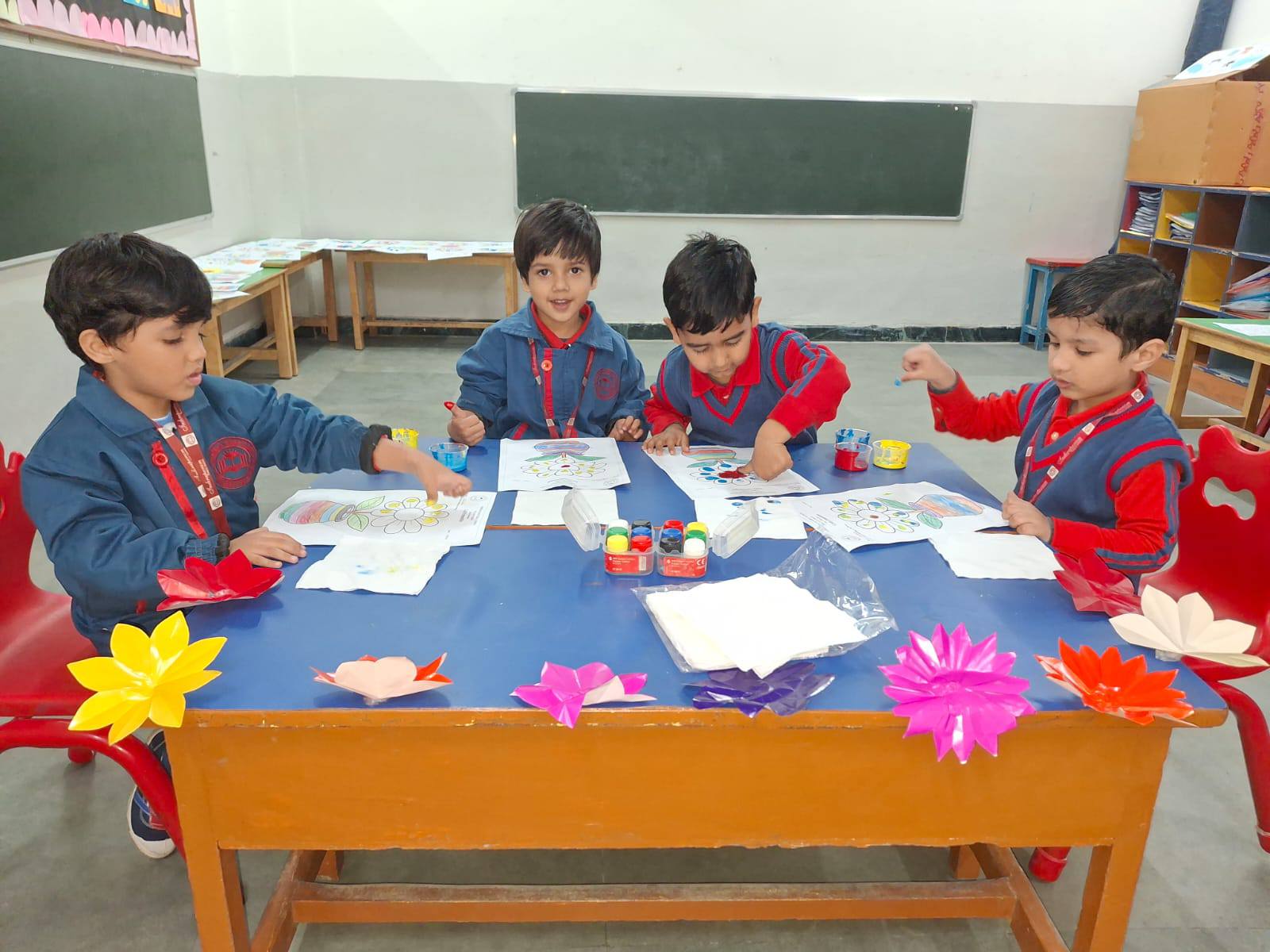
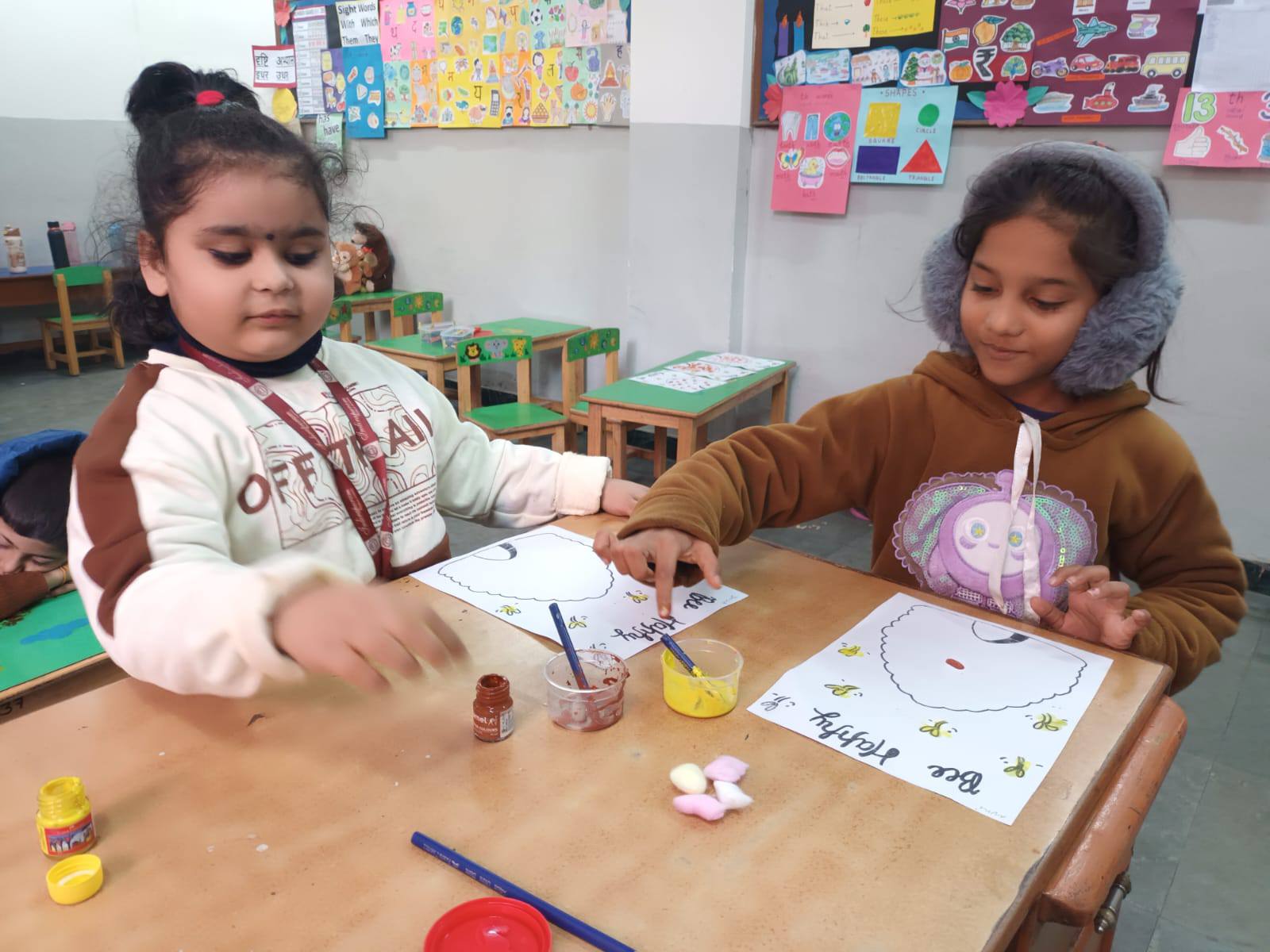
This approach transforms classrooms into interactive spaces where students actively participate in the learning process.
Difference from Traditional Learning
|
Traditional Learning |
Competency-Based Learning |
|
Focus on memorisation |
Focus on understanding |
|
Marks-oriented| |
Skill and application-oriented |
|
Passive learning |
Active and engaging learning |
Students are encouraged to question, analyse, and express their ideas independently.
Benefits Competency-Based Learning for Students
Competency-based learning offers multiple advantages:
· Improved understanding of subjects
· Enhanced problem-solving abilities
· Increased confidence in real-life situations
· Holistic Development of future-ready skills
Additionally, it reduces exam-related stress, as students learn with clarity and purpose.
Role of Parents
For parents, this approach signifies holistic development. Children are not merely studying for marks but are growing into capable and confident individuals.
How Can Parents Support This:
· Encouraging curiosity and questions
· Avoiding excessive pressure for marks
· Promoting practical learning at home
Simple activities such as involving children in budgeting or planning daily tasks can provide meaningful learning experiences.
Guidance for Students
Students can adapt to competency-based learning by:
· Focusing on understanding concepts
· Practising application-based questions
· Relating academic learning to real-life situations
A useful mindset shift is to move from asking “What will come in the exam?” to “Where can I apply this knowledge?”
Conclusion
Competency-based learning represents a significant advancement in education. It not only prepares students for examinations but also equips them with the skills and confidence needed to navigate real-life challenges.
This approach fosters true learning—where students do not merely acquire information but learn how to use it effectively.
If you want your child to thrive in a skill-driven world, choose a school that embraces competency based learning. Indirapuram Public School Pratap Vihar offers a progressive environment aligned with modern CBSE standards. Visit Indirapuram Public School Pratap Vihar website today to explore admissions and give your child the education they deserve.